
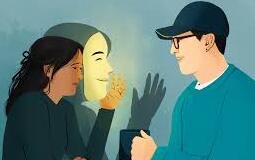
A child who appears calm and well-regulated at school but has emotional outbursts at home. An adult who seems socially confident but feels completely drained after every interaction. Someone who appears to be “coping well” on the surface while privately struggling with anxiety, exhaustion, or burnout. For many autistic individuals, these experiences may be connected to something known as masking.
Masking, sometimes called camouflaging, refers to the conscious or unconscious effort to hide or suppress autistic traits in order to appear more neurotypical in social situations. While masking can help someone navigate school, work, or relationships, it often comes at a significant emotional and mental cost.
What Does Masking Look Like?
Masking can take many forms depending on the individual and the environment they are in. Some common examples include:
- Forcing eye contact even when it feels uncomfortable
- Rehearsing conversations or relying on social scripts
- Mimicking facial expressions, gestures, or humour
- Suppressing stimming behaviours such as hand flapping or fidgeting
- Hiding sensory discomfort from loud noises, lights, or crowded spaces
- Carefully monitoring tone of voice, posture, or reactions during conversations
Often, these behaviours develop over time through repeated social experiences. Many autistic individuals learn early on that certain natural behaviours may attract unwanted attention, criticism, or misunderstanding. Over time, masking can become automatic rather than a conscious decision.
Importantly, masking does not mean someone is “not really autistic” or that they are struggling less internally. In fact, some individuals who appear highly social or independent may be working extremely hard internally just to navigate everyday situations.
Why Do Autistic Individuals Mask?
Masking is often rooted in a desire for safety, acceptance, and connection. Many autistic children and adults report masking in order to:
- Avoid bullying or social exclusion
- Meet expectations at school or work
- Reduce negative attention or judgment
- Maintain friendships or relationships
- Navigate environments that are not sensory-friendly
- Feel a greater sense of belonging in social spaces
Research also suggests that masking may be more common among autistic girls, women, and gender-diverse individuals, which is one reason autism can sometimes go unrecognized or identified later in life.
While some degree of adapting behaviour in social situations is common for many people, masking in autism often involves sustained self-monitoring and suppression of natural responses. Rather than simply adjusting behaviour, it can feel like constantly performing in order to meet social expectations.
How Masking Can Hide Struggles
One of the biggest challenges with masking is that it can make a person’s challenges and difficulties less visible to others. Teachers, caregivers, employers, or even clinicians may assume someone is doing well because they appear calm, social, or successful externally. However, what others see may not reflect the amount of effort happening internally. For example, a child may spend the entire school day trying to sit still, suppress stimming, manage sensory overload, and follow social expectations. By the time they return home, their emotional and cognitive resources may be depleted, leading to meltdowns, shutdowns, irritability, or withdrawal. These reactions are often misunderstood as “behavioural problems” rather than signs of overwhelm and exhaustion.
Similarly, autistic adults who mask heavily may go unidentified for years because their challenges are less outwardly visible. Many describe feeling as though they are constantly “on,” carefully monitoring every interaction while privately struggling with anxiety, stress, or burnout.
The Emotional Impact of Masking
Although masking can sometimes help individuals navigate social environments, maintaining it over long periods can take a serious toll on mental health and wellbeing.
Research has linked chronic masking with:
- Anxiety and depression
- Emotional exhaustion and autistic burnout
- Increased stress and hypervigilance
- Low self-esteem
- Difficulty identifying one’s authentic self
- Social isolation and disconnection
Many autistic individuals describe feeling like people only know the “performed” version of themselves rather than who they truly are. Over time, constantly suppressing natural behaviours and responses can create confusion around identity, self-worth, and belonging.
Masking may also delay access to support. When challenges are hidden, individuals may not receive accommodations, understanding, or intervention until they reach a point of burnout.
Supporting Authenticity Instead of Performance
Reducing masking is not about eliminating coping skills or social learning. Rather, it involves creating environments where autistic individuals feel safe enough that they do not need to constantly suppress who they are.
Supportive environments can include:
- Allowing sensory breaks or quiet spaces
- Accepting stimming as a healthy form of self-regulation
- Reducing pressure around eye contact or social performance
- Providing predictable routines and clear expectations
- Encouraging self-advocacy and emotional expression
- Recognizing that appearing to cope externally does not always mean someone is coping internally
For parents and caregivers, it can also help to view post-school meltdowns or withdrawal through a lens of exhaustion and stress rather than defiance. Often, home becomes the place where children finally feel safe enough to release the pressure they have been holding in throughout the day.
Final Thoughts
Masking can make autism difficult to recognize, even for professionals, caregivers, and individuals themselves. Someone who appears to be managing well on the surface may be carrying an invisible level of stress, effort, and exhaustion every day.
Understanding masking allows us to move beyond appearances and better recognize the experiences happening underneath. When autistic individuals are supported in environments that value authenticity, flexibility, and neurodiversity, they are more likely to feel safe, connected, and empowered to thrive as themselves
At Quinte Assessment and Treatment Group Inc we work with children, youth, and families to better understand the factors contributing to emotional and behavioural challenges, including masking, sensory overwhelm, and social stress. Through individualized support, skill-building, and collaboration with families and schools, our goal is to help individuals build confidence and coping strategies while feeling supported in expressing their authentic selves.
References:
- https://pmc.ncbi.nlm.nih.gov/articles/PMC8992880/
- https://pmc.ncbi.nlm.nih.gov/articles/PMC8992921/
- https://www.autism.org.uk/advice-and-guidance/behaviour/masking#:~:text=Masking%20is%20a%20strategy%20used,access%20to%20an%20autism%20diagnosis.
- https://www.ftpsych.ca/2025/07/17/adult-autism-and-masking-the-mental-health-toll-of-camouflaging/
- https://www.oxfordcbt.co.uk/autism-masking/
- https://www.sensoryintegrationeducation.com/pages/news-masking-in-neurodivergent-children-and-young-people-the-impact-on-mental-health-and-externalising-behaviourhttps://www.totalcareaba.com/autism/understanding-autism-masking